
It looks like you’re hunting for the perfect email and lead generation tool, and you’ve found yourself at a crossroad:
GetResponse vs ConvertKit.

These two marketing automation tools will help you achieve similar basic goals. They can both help you grow your mailing lists, maintain your contacts, and even sell more products or services.
We will certainly seem a bit biased if we write this article on GetResponse, so we won't tell you which one to choose here.
Instead, we'll walk you through making your decision yourself. Since you are in the best position to make the right decision based on your needs, you need to be the caller.
In this article, therefore, we are going to make a detailed comparison between the two tools and their features, so that you can choose the one that best suits your needs.
Without further ado, here are the features to consider when trying to choose between GetResponse and ConvertKit!
Author's Note: This comparison is accurate as of January 14, 2021. We do our best to keep it as accurate as possible, and we check it regularly, however, if you want to familiarize yourself with what our competitors have to offer you should check it on their official website or contact their representatives.
- Any marketing automation provisions from these tools?
- Landing page capabilities, anyone?
- What about their email marketing capabilities?
- What about conversion funnels?
- Which one lets you run webinars?
- What’s their pricing like?
- Which one offers ready-made templates?
- Which one is best for bloggers?
- Do they let you tag subscribers?
- What about workflows?
- Do they provide Web push notifications?
- Which one helps you to run Facebook and Google ads easily?
- GetResponse vs ConvertKit: full feature comparison
- Wrapping Up
1. Any marketing automation provisions from these tools?
GetResponse
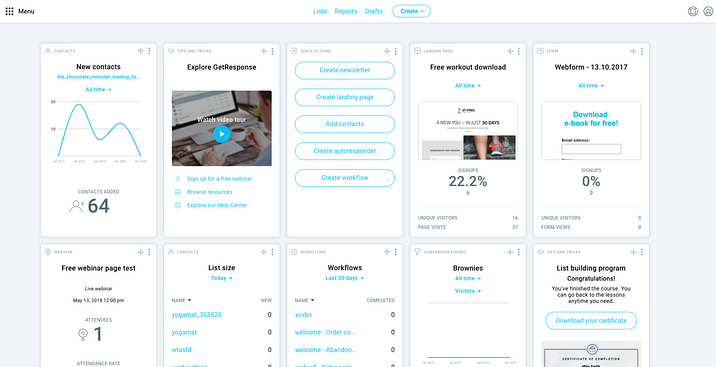 |
| GetResponse Main User Dashboard |
One of GetResponse’s most important features is its suite of marketing automation tools.
If you have an existing contact list with another marketing platform when you start using GetResponse, you can easily import your contacts using a CSV file or by integrating GetResponse with that other provider.Then you can use our suite of automation features to immediately create email campaigns.
Our main dashboard offers two options: the 'Quick Actions', which allow you to create professional and smooth email marketing campaigns using predefined templates and triggers, or the main menu to take advantage of all the communication and growth tools of the suite.
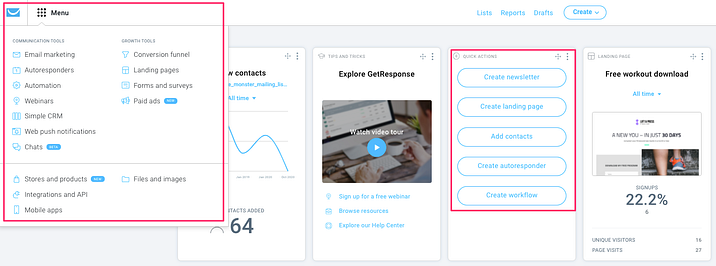 |
| navigation menu and quick actions on getresponse dashboard |
If you're new to marketing automation, you can start an interactive tutorial and quickly learn how to use conditions, actions, and filters. There are also a few pre-designed automation models to choose from.
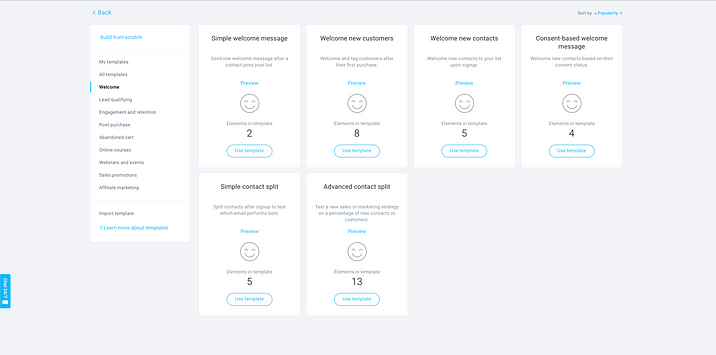 |
| GetResponse Marketing Automation Templates |
For example, if a customer abandons their cart, the marketing automation workflow will trigger an abandoned cart email to be sent:
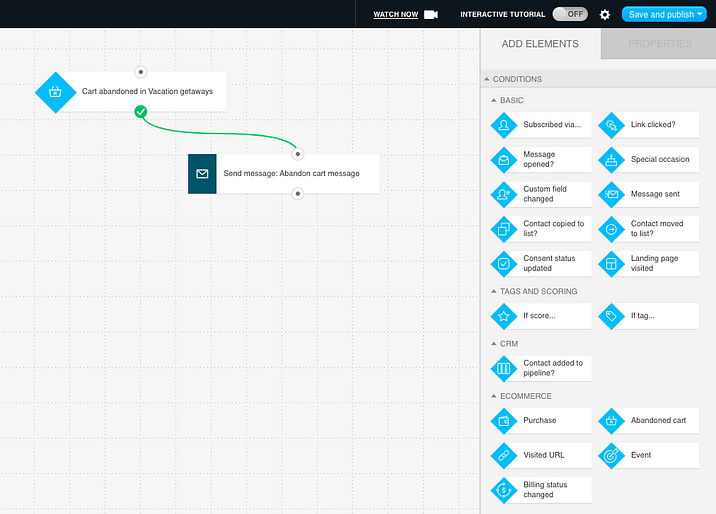 |
| Cart abandonment flow in GetResponse Marketing Automation workflows. |
You can also add items and conditions to these marketing automation settings using drag and drop, making it one of the easiest ways to create custom automation settings based on of your needs.
ConvertKit
ConvertKit is also equipped with a range of marketing automation tools that aim to simplify complex workflows.
Like GetResponse, ConvertKit has a drag and drop builder to help you build your follow-up emails and marketing campaigns. And if you don't know where to start or what your automation should look like, you can use one of the pre-built templates:

For example, if you want to create a permanent newsletter, this is what the predefined template looks like:
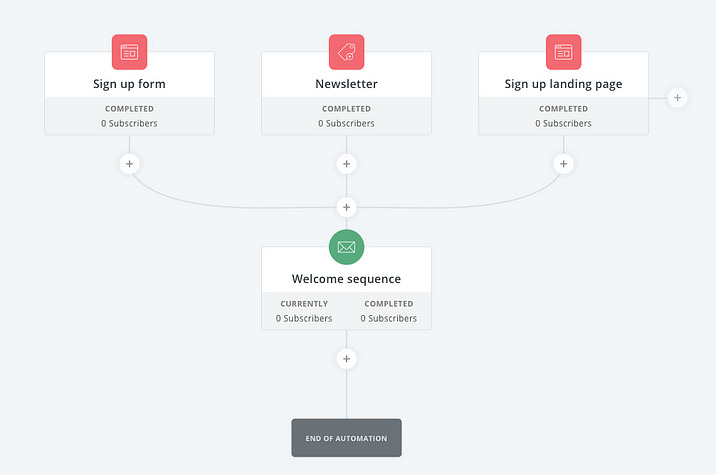 |
| Example |
The difference between the tools is that while both have a range of marketing automation capabilities, GetResponse also has a conversion funnel feature (which we'll dig into a bit more), which makes it easier to track the customer. automation to be used in certain circumstances. . ConvertKit does not currently have this functionality.
2. Landing page capabilities, anyone?
GetResponse
You can use GetResponse’s Landing Page Creator to create a landing page from scratch or, if you need help, customize one of over 100 ready-made templates.
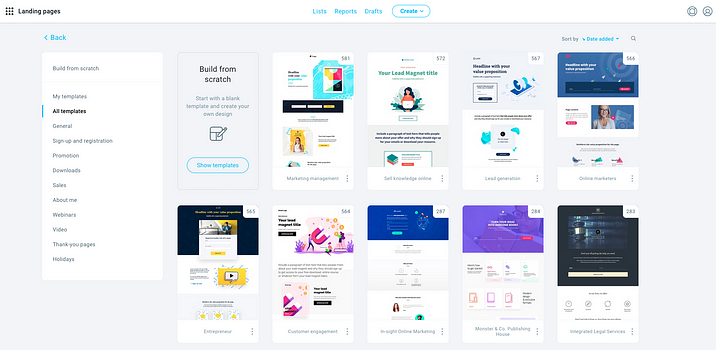 |
| GetResponse Landing Page Templates |
With the landing page builder, you can also:
- structure your landing pages using sections
- add content blocks for images, video, text and buttons
- add static and contextual forms
- add webinar registration forms
- add a sense of urgency with countdowns
- collect payments through our PayPal integration
- add social sharing icons
- add custom code elements using HTML, CSS or Javascript
- preview your landing page to see what it looks like on a desktop or mobile device
We also make it easier to find your landing pages on search engines because you can change every element from the page title to the URL.:
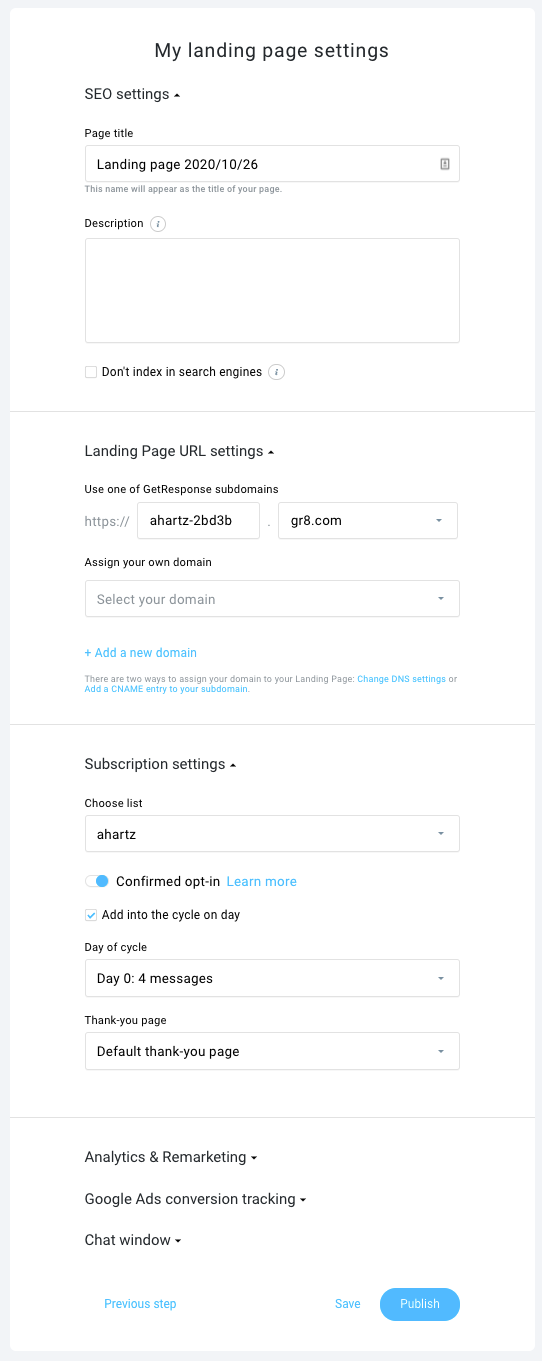 |
| Landing Page Settings |
On top of that, we have built-in A / B testing functionality to split your landing pages to see which main magnet or call-to-action button converts more leads.
Finally, since our marketing suite also includes tools like webinar software, landing pages fully integrate with these so that you can use landing pages as webinar registration pages and grow your business. mailing list even faster.
ConvertKit
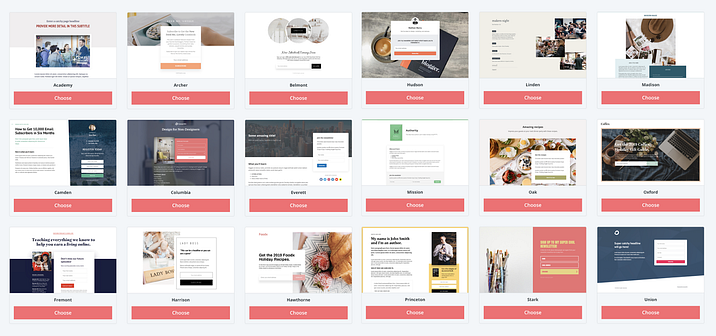
The difference between the two landing page builders is that while GetResponse is a drag and drop editor, ConvertKit has more of a static editor. You can still edit parts of the landing page like colors, text, and images, but the elements cannot be moved:
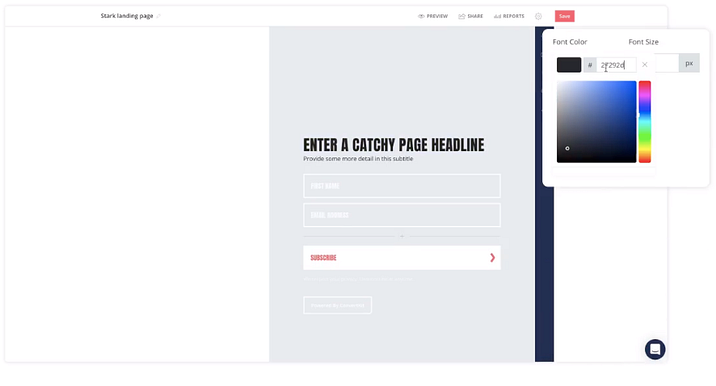
But the models are well constructed. If you find one you like, you can edit items side by side just using tags and drop boxes - no coding required:
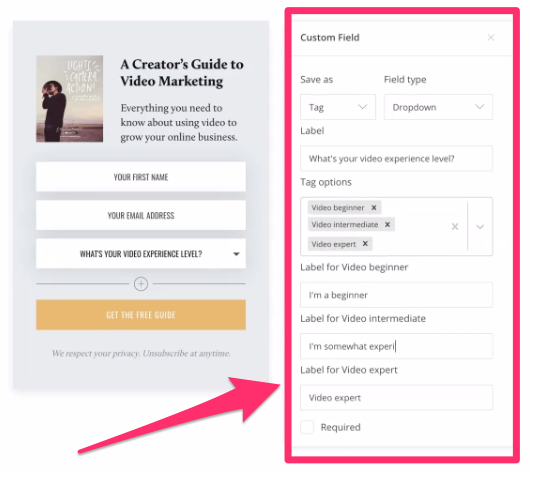
And if you don't even have a website but still want to collect leads, you can just use these landing pages to build a contact list and sell products..
3. What about their email marketing capabilities?
GetResponse
The power of GetResponse comes from the combination of email marketing and automation. The tool makes it easy to create email campaigns and then puts your lead development efforts on autopilot.The first way to do this is to create autoresponders, also known as email drip campaigns. You can create and customize them using our out-of-the-box templates, and thanks to the intuitive calendar view, it's easier to see when those emails arrive in your inboxes. subscribers:
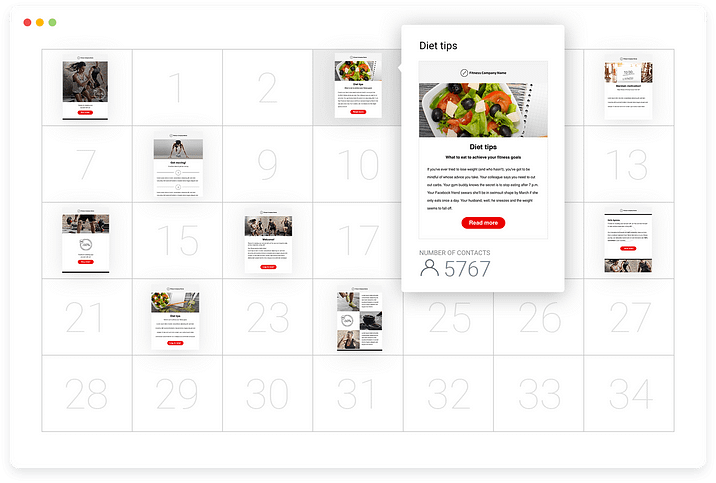 |
| getresponse autoresponders calendar view |
If you don't know when to send your campaigns or what time zone your contacts are in, GetResponse has two features that will automatically adjust the send time to your contact's time zone or using their past behavior data.
These are just a few examples that show why we label ourselves as the easiest and most comprehensive email marketing tool available.
ConvertKit
ConvertKit's email marketing capabilities stand out because they stay true to the basics.
First of all, ConvertKit does not use email templates. You can't add text, images, and GIFs to emails because they think the less you add, the better your chances of converting your leads.
Even if you want to add additional items, you cannot drag and drop. You're limited to an editor where you have to add things like you're in a word processor like Google Docs.
You can also easily change email marketing funnels just by clicking on them in the workflow:
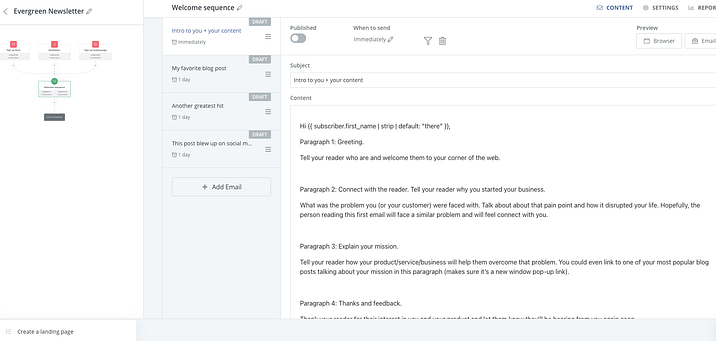
Since ConvertKit also has a landing page feature like GetResponse, it's easy to combine things together to get the most out of its email marketing features. However, you have limited customization options.
4. What about conversion funnels?
GetResponse
Here's where GetResponse goes from a simple email marketing suite to a full-fledged marketing machine.
With our Conversion Funnel tool, you can create a custom “conversion funnel” using all the tools in our toolkit, such as:
- Landing Pages
- Stores
- Facebook Ads
- Instagram Ads
- Social Ads creator
- Sales pages
- Payment processors
- Follow-up/abandoned cart emails
All you have to do is choose a template, and it will tell you what items you need to add to each step of your funnel. Better yet, you can visualize it:
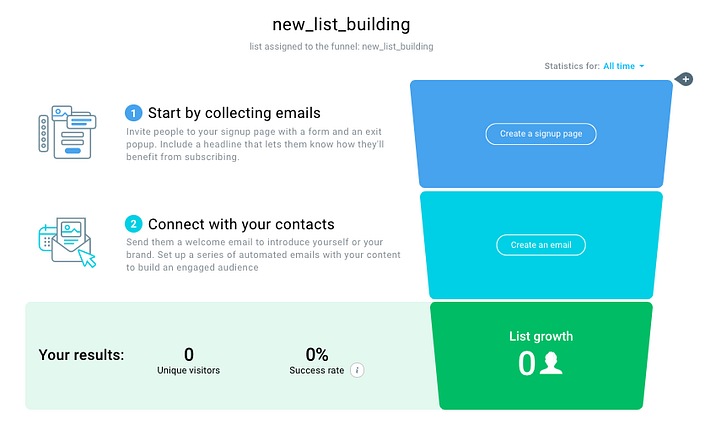 |
| Simple List Building Funnel Made in GetResponse |
There is a whole range of funnel templates you can use, and each step comes with helpful templates as well. So, if you need to create a landing page and an email sequence, you can use the templates in each step to create a funnel that converts without spending hours doing it.
Conversion funnels are a very useful feature because you can follow the entire customer journey from the moment a customer clicks on your ad or landing page until the moment they make a purchase.
Since you have a funnel that tracks each step, you can change the parts that aren't working and optimize the ones that are.
In the past, you would need a suite of different marketing tools to achieve this. But with GetResponse - you can do it all under one roof.
ConvertKit
Although ConvertKit has automated workflows, it does not have a conversion funnel feature.
5. Which one allows you to organize webinars?
GetResponse
GetResponse is the only major email service provider on the market to offer webinar software.
If you start a webinar using GetResponse, you will have access to key features such as:
- design tools and interactive whiteboard
- screen sharing / interactive chat room
- recording (so that you can restart the webinar once it is over)
- surveys and question-and-answer session
- moderate chat
- several hosts
- Facebook and YouTube streaming option
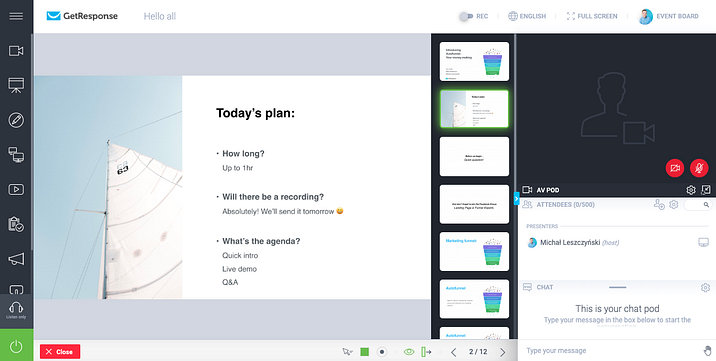 |
| Hosting a Webiner in GetResponse |
Once the webinar is ready, all you need to do is set the URL, date, and time for the webinar, and you're ready to go. And your attendees can see your webinars no matter what device they're using.
Finally, using GetResponse's survey tool, you can collect feedback at the end of the webinar, and since it ties into the rest of the marketing platform, you can automate your post-webinar follow-up sequences based on their answers!
ConvertKit
ConvertKit does not have a dedicated webinar tool. Instead, it relies on integrations with tools like WebinarJam, WebinarNinja, and Crowdcast.
6. What is their price?
GetResponse
GetResponse has a plan to suit everyone, offering three different price points plus a Max plan with the price based on your list size.
Among the plans, our Plus plan is the most popular, but you should choose the plan that offers the features you need and that fits your budget.:
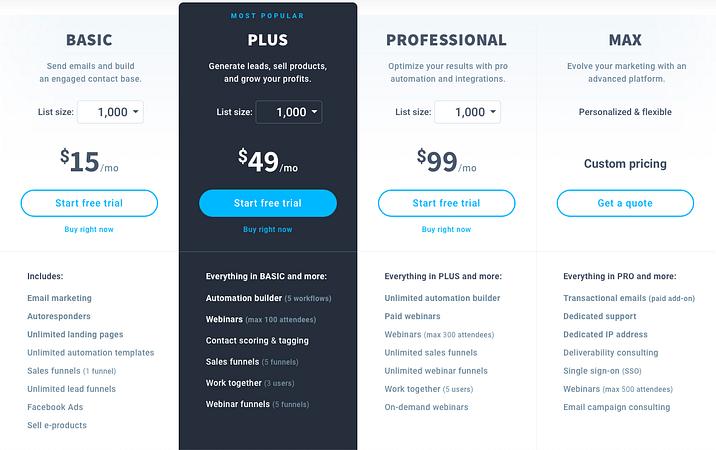 |
| GetResponse Pricing Plan |
Choosing a one-year plan will give you an 18% reduction, while a two-year plan will allow you to reduce your bill by 30%.
The best part is, we let you try it out with our 30 day free trial.
ConvertKit
ConvertKit now has a limited free version and offers a 14-day trial period for those who want to try all of its features.
If you need access to automation and integrations, you'll need to access a paid plan.
These come in two levels: Creator and Creator Pro.
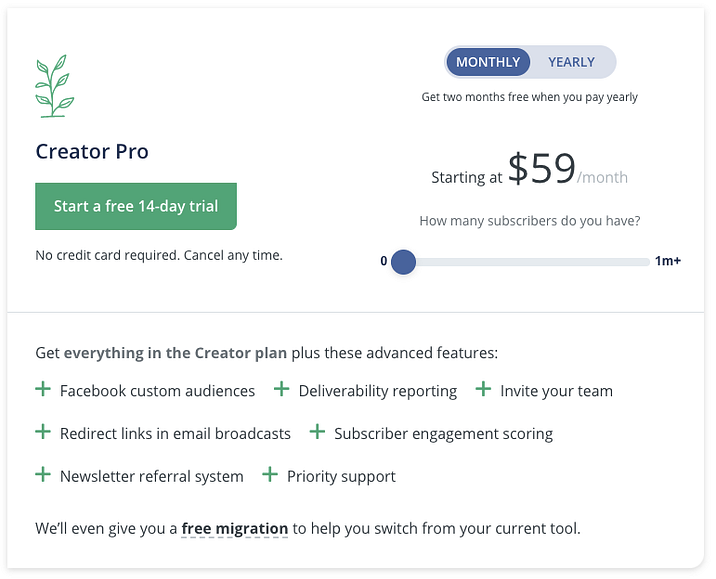
Unlike GetResponse, ConvertKit does not offer a discount if you buy a one or two year plan.
You may also want to check out:
1. GetResponse vs AWeber comparison
2. GetResponse vs ActiveCampaign comparison
3. GetResponse vs Sendinblue
4. Best Email Marketing Services for 2021
7. Which one offers ready-made templates?
GetResponse
GetResponse is equipped with tons of free designer email templates. It also has an email creator that you can use to build your own from scratch.Let's start with the models.
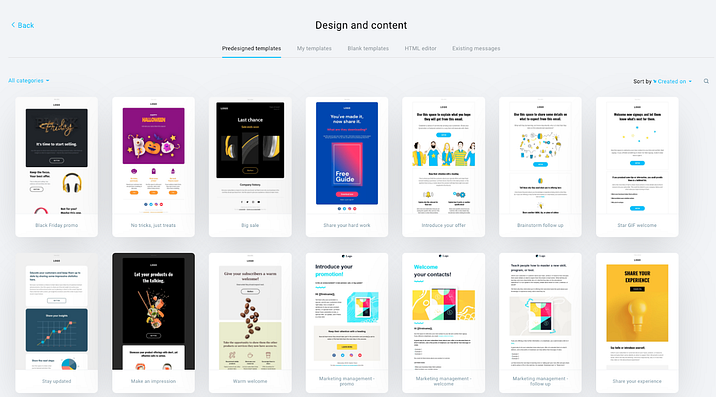 |
| GetResponse Predesigned Email Templates |
Whether you want to personalize a template or create your own, the email creator allows you to add custom text, video, images and even custom code:
 |
| GetResponse Email Creator Tool |
With our creator, you can:
- structure emails using sections
- add content blocks for images, video, text, and buttons
- save sections to use on future campaigns and product launches
- customize emails by adding your brand’s logos, fonts, and color palette
- add custom-code elements using HTML
- preview your email to see what it looks like on a mobile device or in major email clients
- spam-check your message before sending it to your audience
If you want to go beyond a template, the HTML feature lets you customize emails for more complex projects.
ConvertKit
ConvertKit's selling point is that it doesn't use templates.
And as a result, their email maker looks a bit like a word processor or your regular Gmail account:
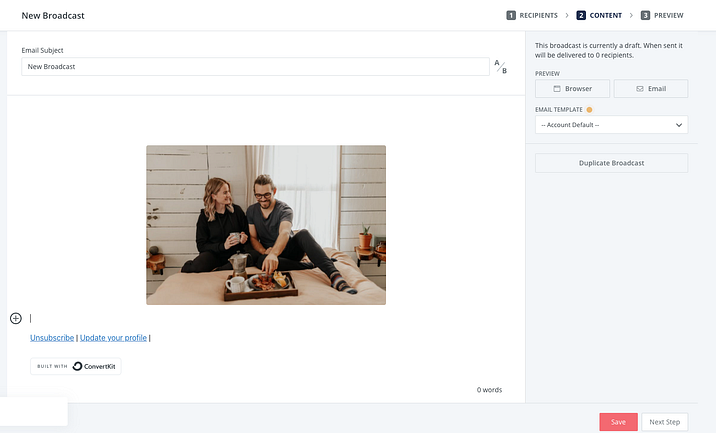 |
| ConvertKit Email Creator |
And while that's a good strategy for some, most marketers who sell their products or services online could probably use a ready-made template designed to drive conversions.
8. Which one is best for bloggers?
Have an answer
Keeping a consistent post is essential for bloggers, which is why GetResponse has created several ideal tools for bloggers.
These include:
- Intuitive drag-and-drop email builder with ready-to-use templates
- Rss-to-email tool that automatically extracts new messages from your feed and sends them to your audience via email
- Registration forms and pop-up forms that will help you collect more newsletter subscribers
- Carefully designed lead magnet funnels to help you host and promote your ebooks and other digital products
- Facebook and Instagram ads for those who want to reach a wider audience
- Social ad builder that lets you design engaging posts for your social media profiles
- Web push notifications if you want to keep your audience up to date with new updates
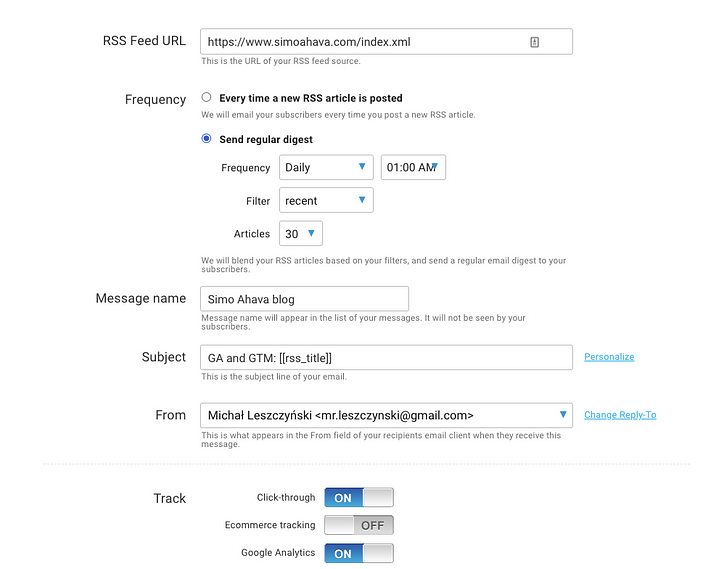 |
| GetResponse rss |
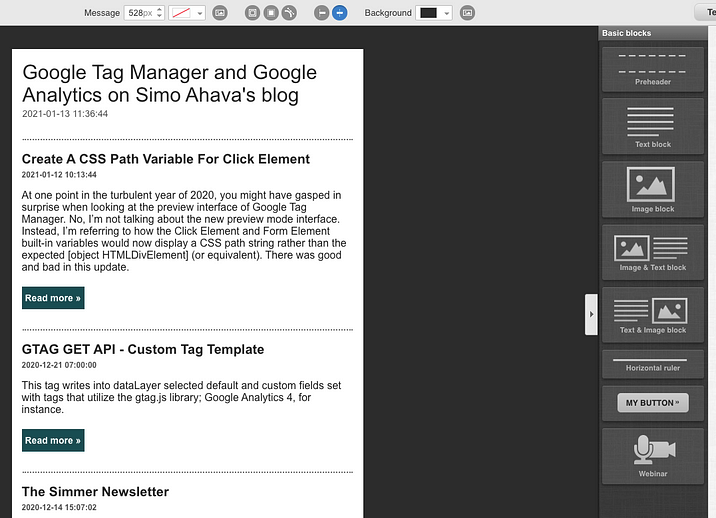 |
| GetResponse rss email editor |
ConvertKit
Bloggers created ConvertKit, so it's no surprise that this is a good choice for bloggers.If you post regularly, you can choose the days and times to schedule your emails to reach your audience
You can also filter your list with tags, segments, subscription date or even by first name so that broadcasts and RSS feeds are sent to specific audiences.
ConvertKit's RSS feed features are easy to customize:
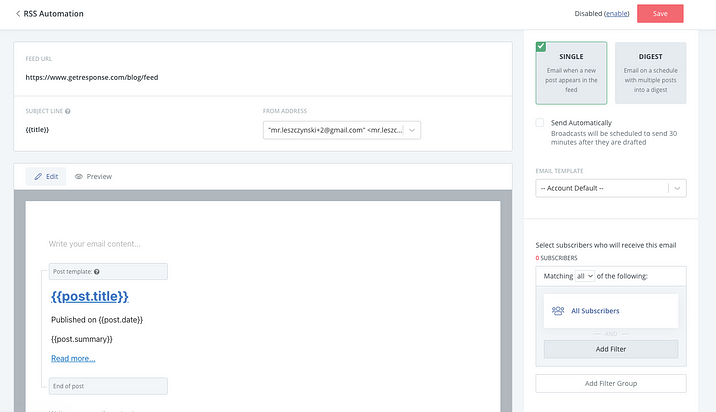 |
| ConvertKit RSS |
The main distinction between the two tools for bloggers is that ConvertKit only has 18 landing pages. If you need a platform with more options, this might not be enough.
Additionally, ConvertKit also doesn't have the conversion funnel feature, so it may be more difficult for bloggers to convert subscribers even after they land in their funnel.
9. Do they allow you to tag followers?
GetResponse
You can automatically tag and segment prospects based on their behavior using GetResponse.
If one of your subscribers opens certain types of content or clicks links on a specific product, you can schedule GetResponse to tag them and automatically send follow ups that reflect their behavior:
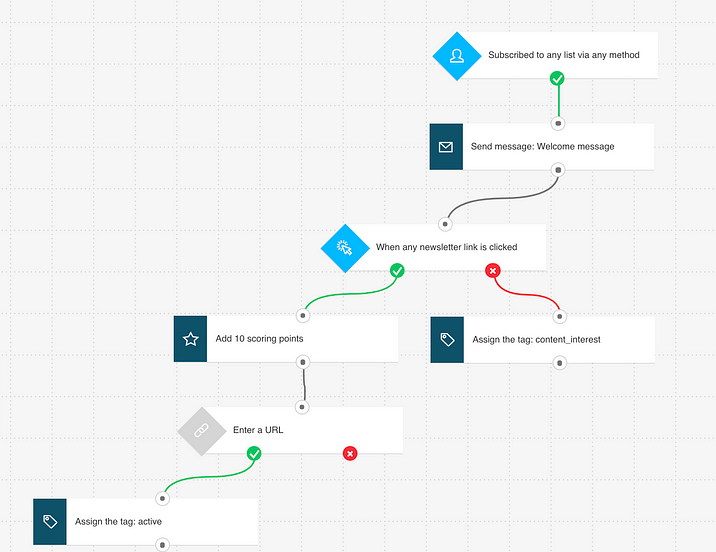 |
| GetResponse Marketing Automation Workflow Tagging Score |
This level of segmentation helps you target prospects based on their behavior and helps you increase your chances of turning them into customers.
ConvertKit
You can also tag subscribers and create rules for your subscribers in ConvertKit.
If you want to send a specific offer to a certain group or make sure that people who subscribed to a previous course get a discount on their next one, you can.
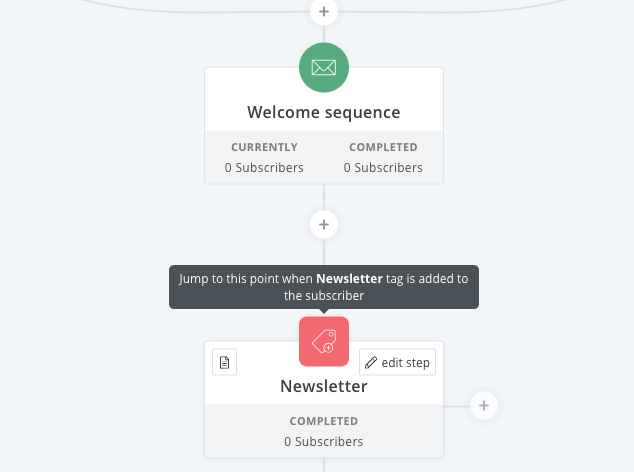 |
| Tag Workflow |
Once the tags are added, they’ll show up in your contact feed:
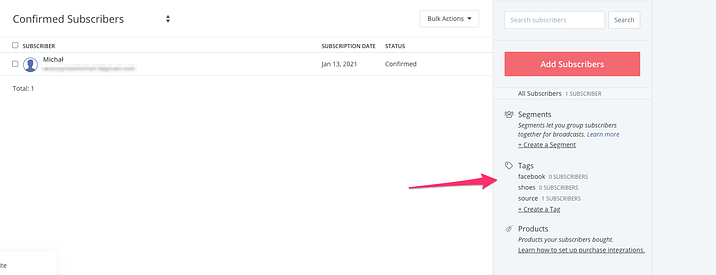 |
| Tagging ConvertKit |
10. What about workflows?
GetResponse
GetResponse's visual workflow builder lets you map email automations using triggers.You can create a sequence that targets repeat customers or people who attended a previous webinar and didn't convert.
This is what the workflow generator looks like:
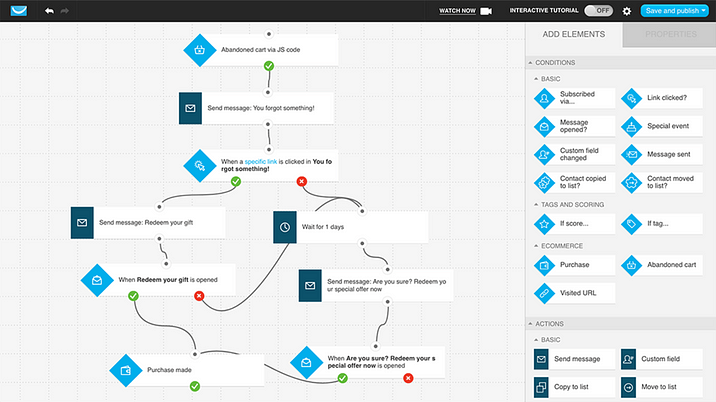 |
| Email Marketing Automation Workflow |
In the workflow builder, you can add "triggers" based on conditions. So if someone just subscribed to your mailing list, the workflow might look like this:
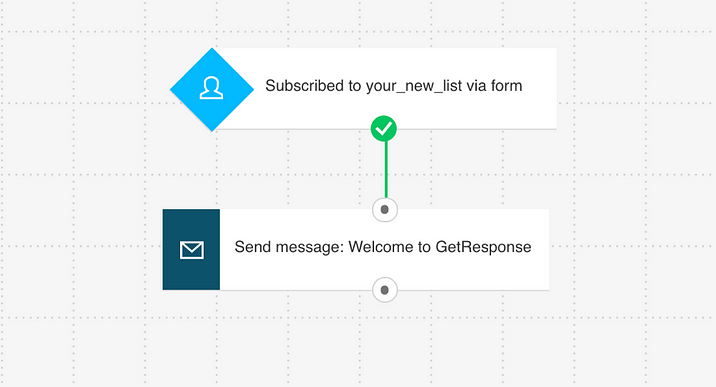 |
| Simple Email Marketing Automation Workflow |
You can also add “triggers” for events like:
- new subscribers
- email opens
- clicks on links
- abandoned carts
- product purchases
- product upgrades
- URLs visited (i.e. pricing pages)
ConvertKit
ConvertKit also comes equipped with workflows that you can customize based on triggers.
Workflows allow you to structure automations around three scenarios: events, actions, and conditions.
For example, an "event trigger" will send an email at a certain point no matter where the subscriber is located, while an "action trigger" will be triggered if a subscriber clicks on a link or link. call to action.
This is what ConvertKit's workflows look like:
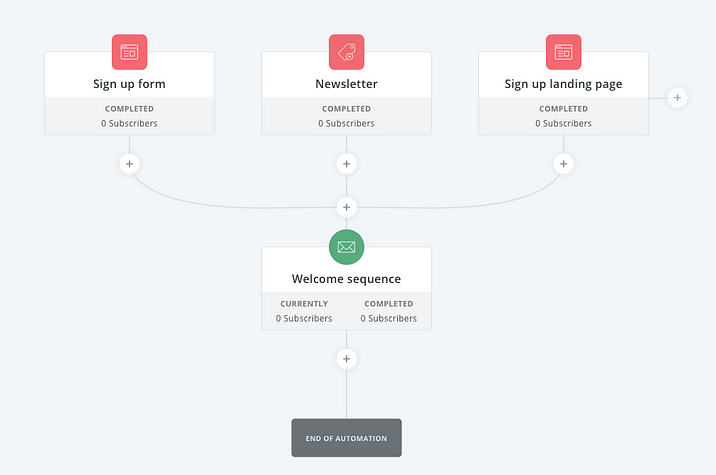 |
| Automation Workflows |
As we mentioned before, ConvertKit makes it easy to personalize the content inside these workflows. If you click on a trigger or email, the content editor lets you edit it without going to another screen:

11. Do they provide Web push notifications?
GetResponse
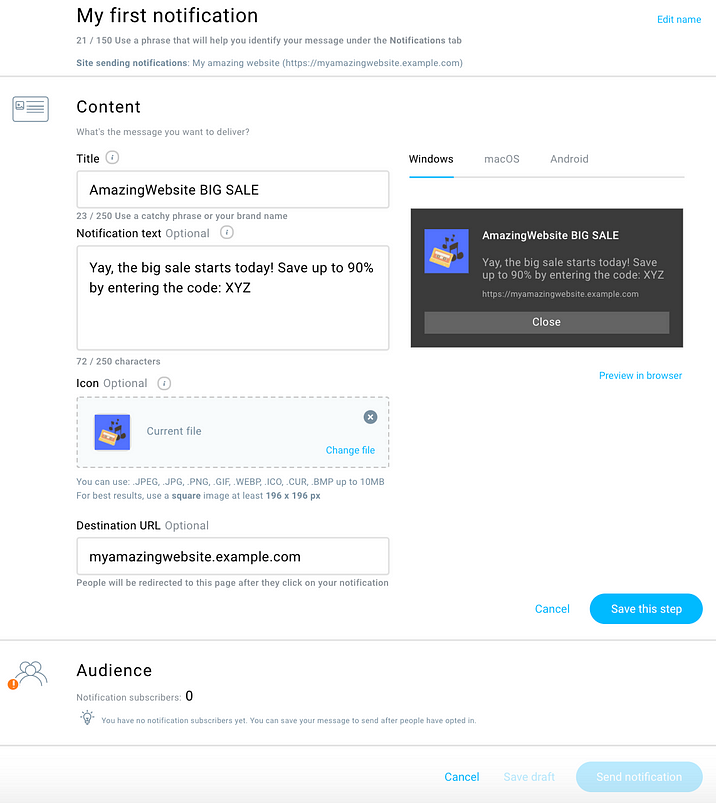
GetResponse allows you to interact with website visitors through web push notifications.These notifications can be sent to a user through a desktop web browser and a mobile web browser. Web push notifications are delivered to a user's desktop or mobile screen whenever their browser is opened, whether or not the user is on the website.
ConvertKit
You cannot run web push notifications from your ConvertKit dashboard. However, you can integrate dedicated tools like Push Push Go.
12. Which one helps you easily serve Facebook and Google ads?
GetResponse
One of the biggest hurdles for freelancers, bloggers, and small businesses is finding the time to create ads engaging enough to attract new subscribers.
GetResponse offers two tools to help you overcome these obstacles: our Social Ad Builder and our Facebook Ad Builder.
These tools make it easy to create and publish image and video ads directly from GetResponse to platforms like Facebook and Instagram.
Like other features of GetResponse, you can use predefined templates to create a professional looking Facebook ad and launch it directly on Facebook:
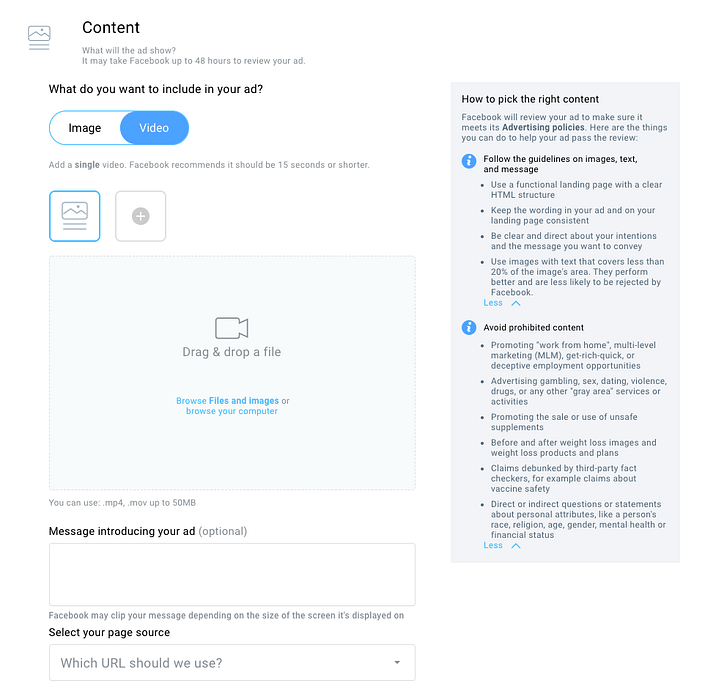
You can also automatically add Facebook Pixel to your landing pages, which you can use to retarget potential customers with your Facebook ads - also right from the GetResponse dashboard!
ConvertKit
You cannot serve Facebook or Google ads from your ConvertKit dashboard.
But you can add your Facebook pixel to your ConvertKit landing pages, so any Facebook campaigns you run will be reflected in your custom Facebook audiences.
And if you have the Creator Pro plan, ConvertKit now has direct integration with Facebook Custom Audiences so you can sync segments directly to Facebook.
So instead of spending time importing and exporting CSVs to serve Facebook ads, the integration does it automatically.
GetResponse vs ConvertKit: full feature comparison

Wrapping Up
As with any tool you invest in, choosing the right one for your needs takes a bit of research.
Not only do you need to consider the functionality of each tool, but you also need to find one that will suit your existing technology stack and your budget.
Both GetResponse and ConvertKit are email marketing engines, and each of them has different strengths.
Which one is right for you? Only you know the answer!
You Can Also Check Out:
1. GetResponse vs AWeber comparison
2. GetResponse vs ActiveCampaign comparison
3. GetResponse vs Convertkit
4. Best Email Marketing Services for 2021




0 Nhận xét